Styles
Best Spanish red wines under €20 worth buying
Spain’s greatest strength in wine lies in its ability to unite tradition, terroir, and accessibility, allowing everyday drinkers to enjoy bottles crafted with the same care and identity as far more expensive labels.


Spain continues to prove that outstanding wine does not have to be expensive. The Best Spanish red wines under €20 combine heritage, regional identity, and serious winemaking expertise at prices that remain accessible to a wide audience. For wine lovers who value authenticity and balance, this category offers remarkable discoveries from some of the country’s most respected appellations.
What makes the Best Spanish red wines under €20 so compelling is their consistency. Many of these bottles come from old vineyards, renowned denominaciones de origen, and producers with international recognition. From powerful Monastrell in the southeast to elegant Tempranillo from the north, the diversity of styles ensures there is a bottle suited to every palate and occasion.
In fact, when reviewing the market, it becomes clear that several of the Best Spanish red wines under €20 are regularly highlighted by critics and sommeliers as benchmarks for value. The following selection brings together ten outstanding examples available in Spain for less than €20, each chosen for quality, reputation, and personality.
“Spain’s greatest strength in wine lies in its ability to unite tradition, terroir, and accessibility, allowing everyday drinkers to enjoy bottles crafted with the same care and identity as far more expensive labels.”
Why these wines stand out
These wines are not random budget options. They represent strong regional typicity, careful oak management, and impressive vineyard work. Many are produced by highly respected winemakers, proving that excellence in Spain is not reserved for premium price tiers but embedded in the culture of production itself.
How to choose wisely under €20
Focus on recognized regions, balanced alcohol levels, and producers with a solid track record. Look for Crianza or Roble styles if you appreciate subtle oak influence, and consider lesser-known areas such as Bierzo, Jumilla, or Almansa for exceptional value. Serving at 15–17°C and allowing brief aeration will enhance complexity and texture.
Top 10 Selection (Under €20 in Spain)
Pruno – €11–13
Ribera del Duero | Tempranillo, Cabernet Sauvignon
Repeatedly selected as one of the best value wines in the world according to Robert Parker. Exceptionally balanced, combining ripe fruit, structure, and polished oak at an unbeatable price.
Pétalos del Bierzo – €18–19
Bierzo | Mencía
A cult wine linked to Álvaro Palacios. Elegant and floral, with the freshness and minerality typical of Mencía from old vines. Refined yet expressive.
Habla del Silencio – €12–14
Extremadura | Syrah, Cabernet Sauvignon, Tempranillo
Modern, fruit-driven, and visually striking. Smooth and approachable, making it a safe and stylish choice for dinners or as a thoughtful gift.
Juan Gil Silver Label – €13–15
Jumilla | Monastrell
Powerful and full-bodied, with ripe black fruit and toasted notes. Ideal for grilled red meats and hearty dishes, offering depth well beyond its price.
La Montesa – €16–18
Rioja Oriental | Garnacha
A silky and refined Garnacha crafted by Álvaro Palacios. Fresh, balanced, and highly gastronomic, showing the elegance of Rioja’s eastern zone.
Borsao Tres Picos – €15–17
Campo de Borja | Garnacha
A benchmark for Aragón Garnacha. Intense red fruit, generous volume, and impressive concentration while maintaining smooth drinkability.
Viña Alberdi Reserva – €18–20
Rioja | Tempranillo
Perfect for lovers of classic Rioja. Notes of vanilla, spice, and soft tannins from extended aging by the historic winery La Rioja Alta. Elegant and timeless.
Ultreia Saint Jacques – €11–13
Bierzo | Mencía
Produced by Raúl Pérez, one of Spain’s most respected winemakers. Pure expression of terroir with vibrant acidity, freshness, and remarkable precision.
Pago de los Capellanes Roble – €15–17
Ribera del Duero | Tempranillo
The entry-level wine of one of Ribera’s most admired estates. Vibrant, fruit-forward, with subtle oak integration and excellent structure.
Laya – €7–9
Almansa | Garnacha Tintorera, Monastrell
An outstanding low-cost option. Dark, powerful, and surprisingly complex for its very modest price, delivering exceptional value.
Spain’s ability to produce wines of this caliber at accessible prices is not accidental; it is rooted in vineyard heritage, climate diversity, and a deeply ingrained wine culture. Exploring the Best Spanish red wines under €20 reveals a landscape where quality and affordability coexist naturally, offering bottles that can confidently accompany both everyday meals and special gatherings without compromise.

Cava
The 10 best red wines in spain under €25
Spain’s finest affordable red wines show that elegance, flavor, and quality can coexist under 25 euros, making every meal a celebration.

Spain offers a remarkable range of wines that combine tradition, flavor, and affordability. For wine lovers seeking excellent quality without overspending, knowing the best options is essential. In this guide, we explore the 10 best red wines in Spain under €25 that deliver rich aromas, smooth textures, and outstanding value, perfect for any occasion or casual dinner with friends and family.
Discovering Spanish wines under 25 euros can be an exciting journey. From the bold flavors of Rioja to the delicate hints of Ribera del Duero, these wines show that quality does not always come at a high price. The 10 best red wines in Spain under €25 offer an experience that rivals more expensive bottles, allowing enthusiasts to explore regional varieties, taste different grapes, and enjoy each sip without compromise.
Choosing the right wine is about more than price; it’s about taste, pairing, and overall experience. The 10 best red wines in Spain under €25 represent a careful selection by sommeliers and wine experts, focusing on wines that provide balance, depth, and drinkability. Whether for a dinner party or a quiet evening, these wines prove that excellent red wine in Spain is accessible and enjoyable for everyone.
“Spain’s finest affordable red wines show that elegance, flavor, and quality can coexist under 25 euros, making every meal a celebration”
Exploring regional flavors
Spain’s regions each bring a unique character to their reds. Rioja is renowned for its structured, oaky reds, while Ribera del Duero offers full-bodied intensity with dark fruit notes. Other regions such as Priorat and Toro provide wines with rich textures and aromatic complexity. Sampling these areas ensures a well-rounded understanding of Spain’s affordable red wine landscape.
Understanding grape varieties
Grapes such as Tempranillo, Garnacha, and Monastrell define Spain’s approachable reds. Tempranillo delivers earthy and cherry notes, Garnacha adds vibrant fruitiness and softness, and Monastrell provides deep, concentrated flavors. Learning how these grapes influence taste helps buyers choose wines under 25 euros that align with their personal palate and meal pairings.
Pairing tips and serving
Affordable Spanish reds pair beautifully with a variety of dishes. Rioja complements roasted meats, Garnacha enhances tapas or pasta, and Monastrell is ideal for stews and grilled vegetables. Serve slightly below room temperature, around 16–18°C, and use standard wine glasses to allow aromas to open fully. Following these simple practices enhances enjoyment and highlights the wine’s quality.
Conclusion and recommendation
Exploring the 10 best red wines in Spain under €25 proves that budget-friendly wines can offer remarkable experiences. Whether you are hosting friends, celebrating milestones, or enjoying quiet dinners, these wines deliver taste, elegance, and affordability. Take the opportunity to experiment, find your favorites, and elevate your wine moments today.
Styles
Cava-producing regions in Spain explained
The true personality of Cava is born in the vineyard, where Mediterranean sunlight, limestone soils, and cool nights shape grapes that later transform into sparkling wines defined by precision, balance, and remarkable gastronomic versatility.

Cava is far more than a festive sparkling wine; it is the expression of diverse territories shaped by climate, soil, and tradition. Understanding Cava-producing regions in Spain allows wine lovers to appreciate how geography influences style, freshness, and aging potential. While many associate Cava with a single area, its production extends across carefully regulated zones with distinct identities.
Exploring Cava-producing regions in Spain reveals a mosaic of landscapes, from Mediterranean vineyards to inland plateaus. Each authorized zone contributes unique characteristics to the final blend, whether through acidity, fruit profile, or structure. This regional diversity is one of the reasons Cava continues to gain international recognition for both quality and value.
When discussing Cava-producing regions in Spain, it is essential to consider the Denominación de Origen framework that defines origin, grape varieties, and production standards. The traditional method, long aging periods, and strict controls ensure consistency, while regional conditions provide nuance. Knowing these differences empowers consumers to select bottles that align with their preferences and occasions.
“The true personality of Cava is born in the vineyard, where Mediterranean sunlight, limestone soils, and cool nights shape grapes that later transform into sparkling wines defined by precision, balance, and remarkable gastronomic versatility.”
Catalonia: the heart of Cava
Catalonia remains the historic and principal center among Cava-producing regions in Spain. The Penedès area, near Barcelona, accounts for the majority of production. Its Mediterranean climate, moderated by altitude and sea influence, provides ideal conditions for native grapes such as Macabeo, Xarel·lo, and Parellada.
These varieties contribute freshness, structure, and aromatic delicacy. Many long-aged Reserva and Gran Reserva Cavas originate here, benefiting from established expertise and generations of sparkling wine tradition.
Other authorized regions
Although Catalonia dominates, several additional Cava-producing regions in Spain are officially recognized. These include parts of Aragón, Valencia, Extremadura, La Rioja, Navarra, and the Basque Country. Each area brings subtle differences in climate and soil composition.
Key characteristics by zone:
- Aragón: higher altitude, vibrant acidity
- Valencia: warmer climate, riper fruit notes
- Extremadura: balanced structure and value-driven styles
- Navarra and La Rioja: elegant blends with fresh aromatics
This broader geography demonstrates that Cava is not limited to a single landscape but reflects controlled diversity within strict quality standards.
Climate, zoning, and quality tiers
Recent regulatory updates have further defined Cava-producing regions in Spain through specific geographic zoning such as Comtats de Barcelona, Valle del Ebro, Viñedos de Almendralejo, and others. These designations aim to highlight origin transparency and elevate terroir expression.
Climate plays a decisive role. Coastal influences preserve acidity, while inland zones often produce more structured base wines suitable for extended aging. When choosing a bottle, consider the aging category:
- Guarda: younger, fresher styles
- Reserva: minimum 18 months aging
- Gran Reserva: extended aging, greater complexity
Serving Cava between 6–8°C and using tulip-shaped glasses enhances aromatic expression and mousse texture, allowing regional nuances to shine.
Understanding Cava-producing regions in Spain transforms the way this sparkling wine is perceived. Rather than a single-style celebratory drink, Cava emerges as a geographically rich category shaped by climate, tradition, and meticulous production. Recognizing these regional differences enables more informed choices and a deeper appreciation of Spain’s sparkling heritage.
Styles
Understanding Brut, Extra Brut, and Dry styles
In sparkling wine, sweetness is not about obvious sugar but about balance; the finest bottles achieve harmony between acidity and dosage, creating a sensation that feels crisp, elegant, and refreshing rather than overtly sweet.

Sparkling wine labels can be surprisingly confusing, especially when terms like Brut, Extra Brut, and Dry appear to contradict what we taste. Understanding Brut, Extra Brut, and Dry styles is essential for anyone who wants to choose the right bottle with confidence. These words do not refer to bubbles or quality, but to the level of residual sugar that shapes balance and perception on the palate.
For many consumers, Understanding Brut, Extra Brut, and Dry styles begins with a simple question: which one is actually sweet? The answer is not always intuitive. In sparkling wine terminology, “Dry” can contain more sugar than “Brut,” and “Extra Brut” is even drier than Brut. Without clarity, it is easy to select a wine that does not match your taste or the meal you are serving.
By properly Understanding Brut, Extra Brut, and Dry styles, you gain control over your sparkling wine experience. Whether you are opening a bottle of Cava, Champagne, or another traditional-method wine, knowing how dosage influences flavor allows you to pair more effectively, serve with intention, and enjoy every glass with greater appreciation.
“In sparkling wine, sweetness is not about obvious sugar but about balance; the finest bottles achieve harmony between acidity and dosage, creating a sensation that feels crisp, elegant, and refreshing rather than overtly sweet.”
What Brut and Extra Brut really mean
The difference between these categories lies in residual sugar added after disgorgement, known as dosage. Extra Brut typically contains 0–6 grams of sugar per liter, resulting in a very dry, sharp profile. Brut usually contains up to 12 grams per liter, offering slightly more roundness while still tasting dry to most palates.
Extra Brut is ideal for those who prefer crisp, linear wines with pronounced acidity. Brut, being more versatile, often feels smoother and can adapt more easily to varied dishes without losing freshness.
Why Dry is not the driest option
One of the most misunderstood terms in sparkling wine is “Dry.” In reality, Dry styles can contain between 17–32 grams of residual sugar per liter. This makes them noticeably softer and slightly sweet compared to Brut and Extra Brut. The name reflects historical terminology rather than modern taste expectations.
Dry styles work particularly well in specific contexts:
- With spicy cuisine where a touch of sweetness balances heat
- As an aperitif for guests who prefer softer profiles
- With fruit-based desserts or light pastries
Understanding this distinction prevents disappointment and ensures better pairing decisions.
How to choose the right style
When focusing on Understanding Brut, Extra Brut, and Dry styles, consider both personal taste and the menu. For seafood, oysters, and salty appetizers, Extra Brut enhances freshness. For roasted poultry, creamy dishes, or charcuterie, Brut provides balance and flexibility. For brunch, lightly sweet desserts, or mildly spicy dishes, Dry can be surprisingly harmonious.
Serve sparkling wines between 6–8°C to maintain precision and avoid muting aromas. Use tulip-shaped glasses instead of wide flutes when possible, as they preserve bubbles while allowing aromas to develop. Paying attention to these details elevates the experience and highlights the subtle differences between styles.
A clear understanding of sweetness levels transforms the way sparkling wine is enjoyed. By mastering Understanding Brut, Extra Brut, and Dry styles, you move beyond marketing terms and begin selecting bottles based on structure, balance, and purpose, ensuring that every celebration or meal is supported by the right expression of freshness and elegance.

The 10 best red wines in spain under €25

Atlantic influence in Mencía wines explained

Aging categories: Joven, Crianza and Reserva

Verdejo vs Sauvignon Blanc comparison guide

Cava-producing regions in Spain explained

Understanding Brut, Extra Brut, and Dry styles

How Spanish rosé wine is made step by step

José Pariente Fresh Aromatic Verdejos from Rueda Wines
Verdejo vs Sauvignon Blanc comparison guide
The 10 best red wines in spain under €25
Aging categories: Joven, Crianza and Reserva
Atlantic influence in Mencía wines explained
-
 Styles2 months ago
How Spanish rosé wine is made step by step
-
 Wineries3 months ago
José Pariente Fresh Aromatic Verdejos from Rueda Wines
-
 Verdejo2 months ago
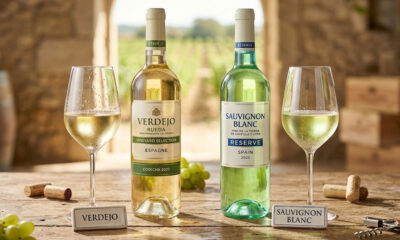
Verdejo vs Sauvignon Blanc comparison guide
-
 Cava3 weeks ago
The 10 best red wines in spain under €25
-
 Food Pairing2 months ago
Aging categories: Joven, Crianza and Reserva
-
 Mencía2 months ago
Atlantic influence in Mencía wines explained
-

 Events3 months ago
Spain Wine Festivals 2026 Highlights and Must Visits
-
 Styles2 months ago
Cava-producing regions in Spain explained